
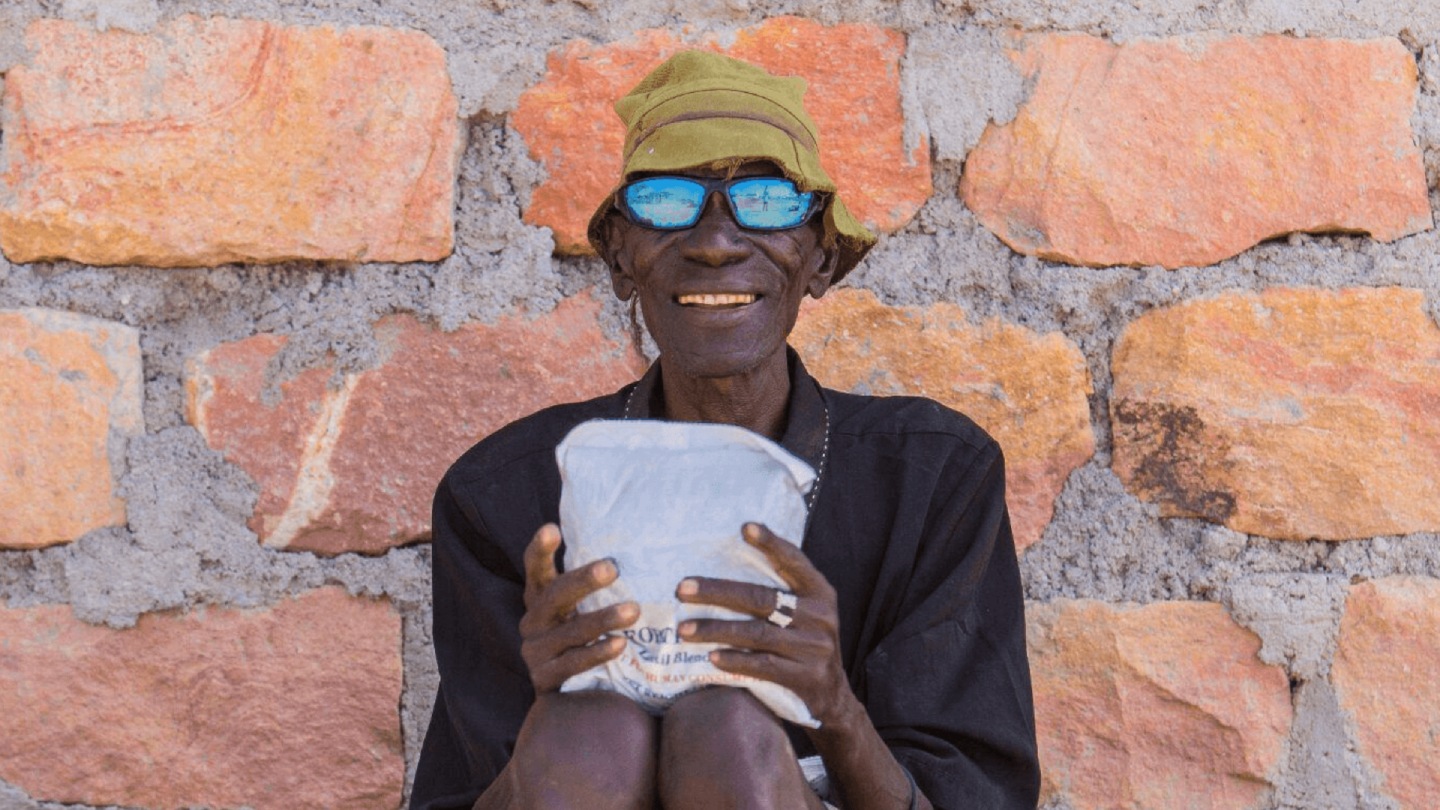
The prolonged drought in Kenya is dire, with decreased rainfall causing crops to wither and livestock to die of thirst. Entire villages have been left desperately searching for food and water sources to sustain their families and animals.
James, 74 years old, was tragically displaced from his home and family during a period of political violence in Kenya. The whereabouts of his family and children remain unknown, leaving him entirely dependent on the compassion of the community. In the midst of his profound loss and uncertainty, International Relief Teams’ food assistance programs provide him with more than sustenance; they give him hope. And, after days of hunger and desperation, the arrival of food restored his health.
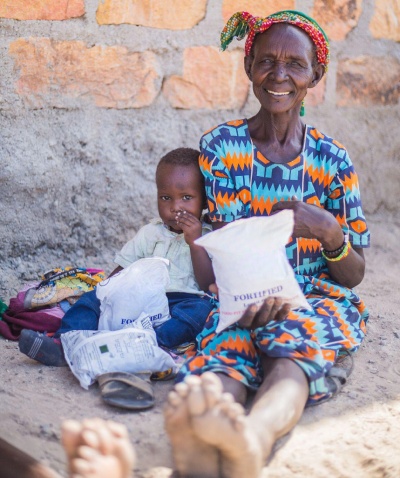
In response to this crisis, an emergency food program was launched, distributing fortified rice and lentils to families in need. This helped provide immediate relief from extreme levels of malnutrition.
In preparation for when the drought breaks and rain comes again, a water catchment project was launched to support families and their livestock.
During the beginning of the project, a tribe in the Rift Valley helped coordinate the digging and oversight of a catchment dam. Sure enough, rains came and the catchment was filled. Through collaboration with local communities and partners,
those in dire need are promised reliable access to potable drinking water.
The Water Catchment Project has had a profound impact on several fronts. The constant search for distant water sources has been reduced, allowing more time for productive farming and livestock rearing. Additionally, it has facilitated irrigation and significantly improved the health and livelihoods of the local communities.
In addition to mitigating the water crisis, the project has proven instrumental in managing floods. Rainwater storage structures reduce flood damage and protect communities from disasters.
In November 2023, floods wreaked havoc in Kenya. Several people died and hundreds of thousands were displaced. Furthermore, the sudden occurrence of El Niño rains after experiencing drought for five years created disaster. Water reached a significant level at one point. But now, the water is lower and they are letting the cows in to compact the bottom of the dam to hold water longer.
It can take several years for the waters to last between rainy seasons. But having the water catchment project in place is already a big step in creating a source of reliable and clean water supply in Kenya.