
Growing Up in the Shadow of War in Gaza

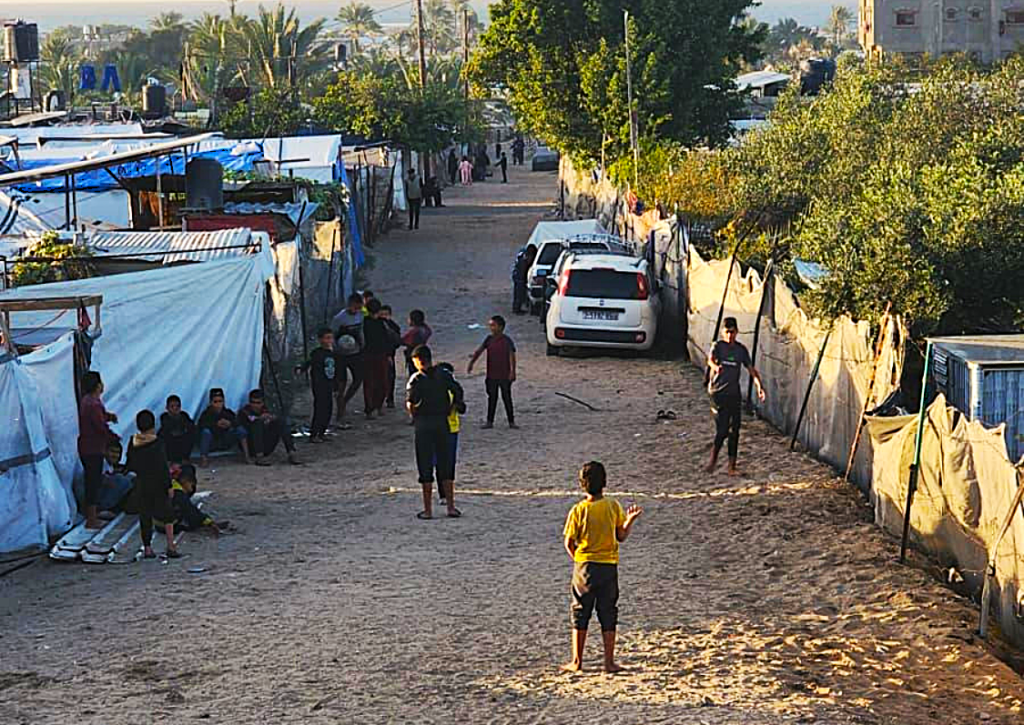
By late morning, the displacement camp in Khan Younis grows quiet. Families shelter there after fleeing bombardment, living in rows of temporary tents with little protection. Inside one of those tents, six-year-old Omar rolls a broken toy car through the dust. He found it in the rubble left behind by the war. By noon, hunger settles in and there is no food left for the day.
Life Inside the Tent

Omar lives in a tent with his grandmother, where days are measured by waiting. Waiting for the shelling to stop. Waiting for the war to end. Waiting for food.

He often asks his grandma, “When will we go home?”

He plays less, his small world shrinking to the size of the tent and the broken toy he carries with him. His energy fades as the days pass with scarcely any food, and the constant worry weighs on his grandmother as well. With local food systems collapsed, families like Omar’s are trapped in a dangerous gap with no clear way out.

When Relief Arrived

During a vital 30-day emergency window when access to the camp was possible, everything changed. Thanks to support from our donors, International Relief Teams provided daily hot meals delivered directly to families sheltering in tents. These meals filled a critical gap between the collapse of local food systems and the slow return of more reliable access to meals.

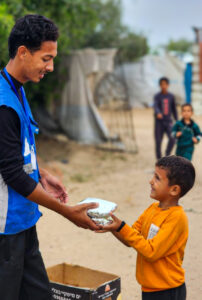
Each morning, volunteers prepared rice, lentils, and vegetables at a safer off-camp location, sourcing ingredients locally despite shortages. By midday, meals were transported through damaged roads and delivered tent to tent—warm, ready to eat, and without forcing families to move through unsafe areas.

For Omar, the sound of footsteps outside the tent meant food was coming. He held the warm food with both hands and ate slowly. With one dependable meal each day, Omar’s energy returned.

Over the 30 days, this effort reached approximately 1,200 individuals from about 200 families each day, many of them children like Omar.

What You Made Possible

This response was only possible because donors acted quickly during a moment of extreme need. Your generosity funded emergency food when families had no other reliable way to feed their children. You enabled volunteers to prepare meals early, transport them despite fuel shortages, and deliver them directly to tents—day after day—during a fragile window when timing was everything.

You didn’t just support a program. You made a difference in the lives of suffering families, including Omar and his grandmother.